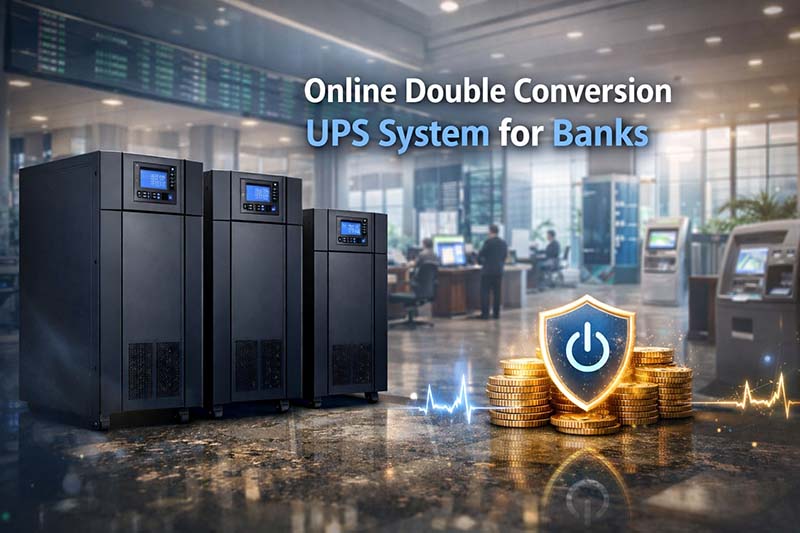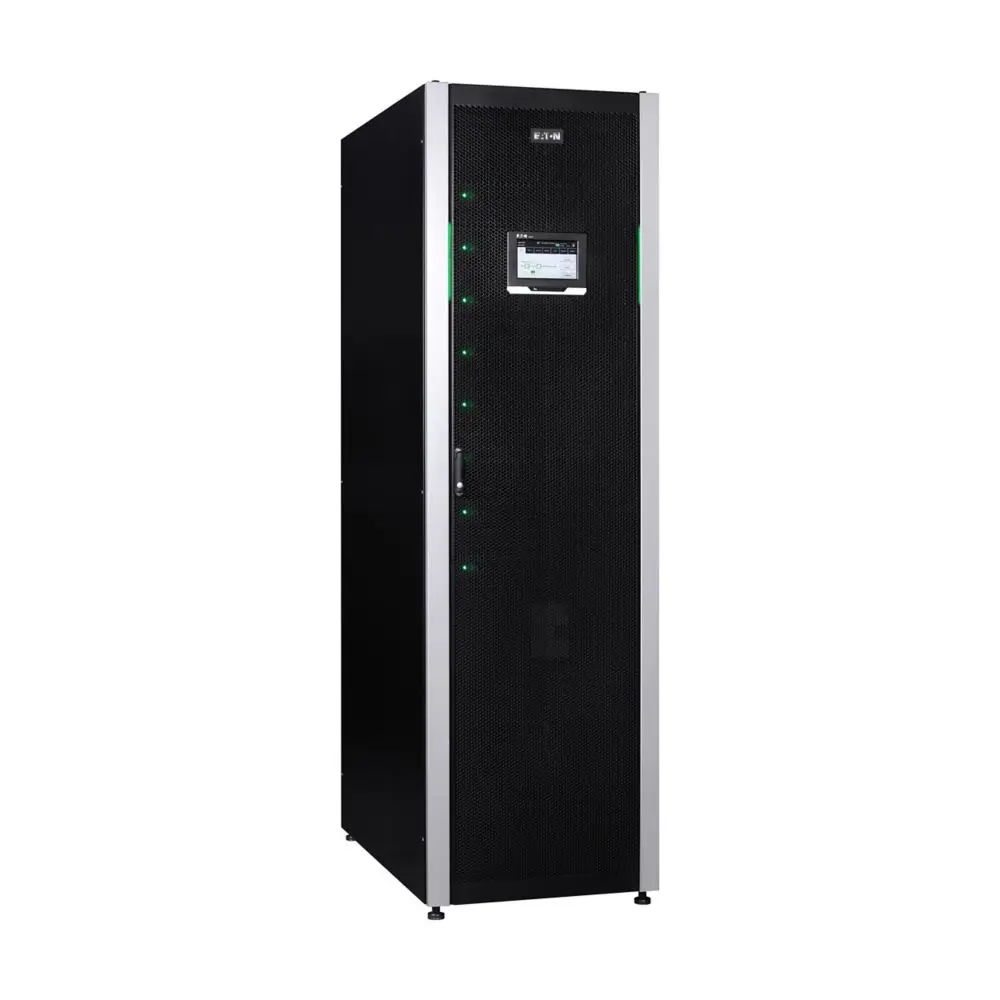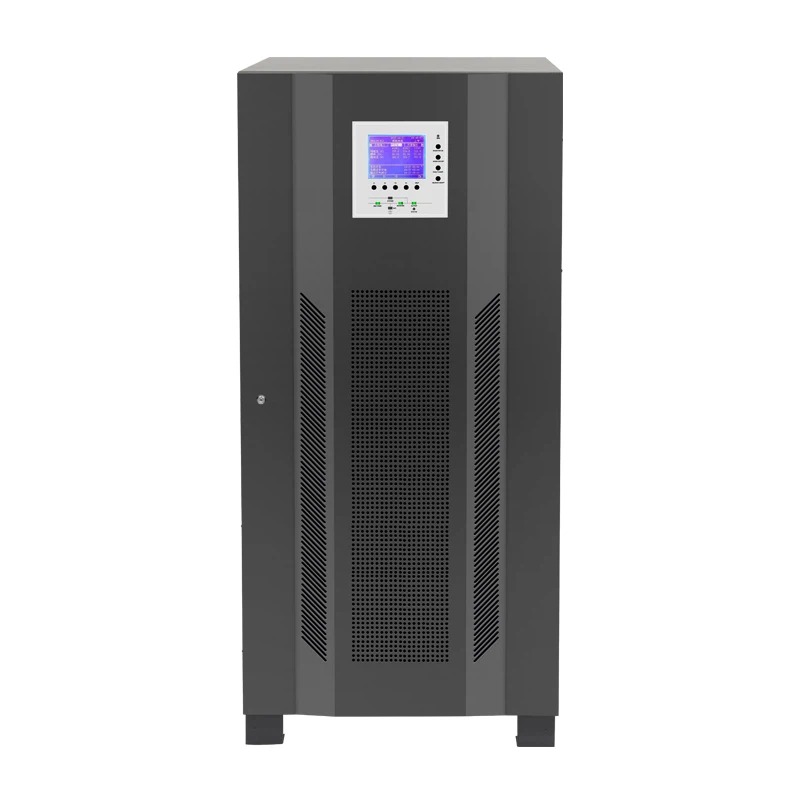
Banks play a critical role in maintaining the economic stability of modern society, processing vast volumes of financial transactions that must remain secure, accurate, and continuously available. With the widespread adoption of online banking, electronic payment platforms, and real-time trading systems, even a brief power interruption can result in significant financial losses, reputational harm, and regulatory risk.
To ensure uninterrupted operations, financial institutions rely on highly resilient and reliable uninterruptible power supply (UPS) systems. In the event of utility failures—whether caused by severe weather, grid instability, or localized outages—a UPS provides immediate backup power, protects sensitive equipment from electrical disturbances, and ensures seamless transition to standby generators. This level of power protection is essential for maintaining uptime, data integrity, and operational continuity across both centralized data centers and individual branch locations.

特征
Online UPS systems are widely deployed across banks, financial institutions, and insurance companies to ensure uninterrupted operations. They not only protect data centers by maintaining access to critical records and transaction processing systems, but also provide reliable backup power for point-of-use workstations, server rooms, ATMs, and other essential on-site equipment during power outages.
Data Security and Integrity
UPS systems provide instant backup power to critical infrastructure, ensuring continuous operation during outages and protecting sensitive data from loss or corruption.
Operational Continuity
By preventing unexpected power interruptions, UPS solutions allow financial institutions to maintain stable and uninterrupted operations at all times.
Reliable Transaction Processing
Continuous power delivery keeps transaction systems online, ensuring seamless processing and reinforcing trust with customers and partners.
Regulatory Compliance
UPS systems support compliance with regulatory requirements by maintaining data availability, system security, and business continuity.
Customer Confidence
A reliable power supply strengthens customer confidence by demonstrating the institution’s ability to deliver consistent, dependable services.
Risk Mitigation
By stabilizing power delivery, UPS systems reduce downtime risks and help prevent financial losses caused by power-related disruptions.
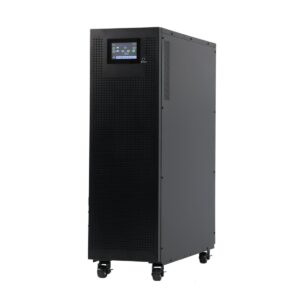
| 模型 | LFL10-300 |
|---|---|
| Power | 10–300 kVA |
| 输入电压范围 | 380 VAC ±25% (customizable) |
| 输出电压 | 380 VAC ±1% (customizable) |
| Phase Configuration | Three-phase input / Three-phase output |
| Output Waveform | Pure sine wave |
| Working Frequency | 50 / 60 Hz |
| 转乘时间 | 0毫秒 |
| 电池类型 | Sealed lead-acid battery |
| 电池电压 | 384 VDC (adjustable) |
| 备份时间 | Customizable |
| Protections | Electronic short-circuit protection, current limiting at 1.3× rated current |
| Overload Capability | 110% for 10 min; 125% for 3 min; 150% for 1 min |
| LED Indicators | Input, inverter, bypass, battery status |
| LCD Display | Input/output voltage, frequency, battery voltage, load percentage, temperature |
| Waveform Distortion | ≤3% (linear load), ≤5% (nonlinear load) |
| Working Temperature | 0°C to +45°C |
| 储存温度 | -25°C to +55°C |
| Relative Humidity | 0–95% (non-condensing) |
| 高度 | ≤ 1000 m |
| Noise Level | < 50 dB |
| Communication Interfaces | RS485, RS232, USB, dry contact, intelligent expansion card slot |
| Standards | IEC 62040-1 |
| IP Rating | IP20 |


评价
目前还未评价