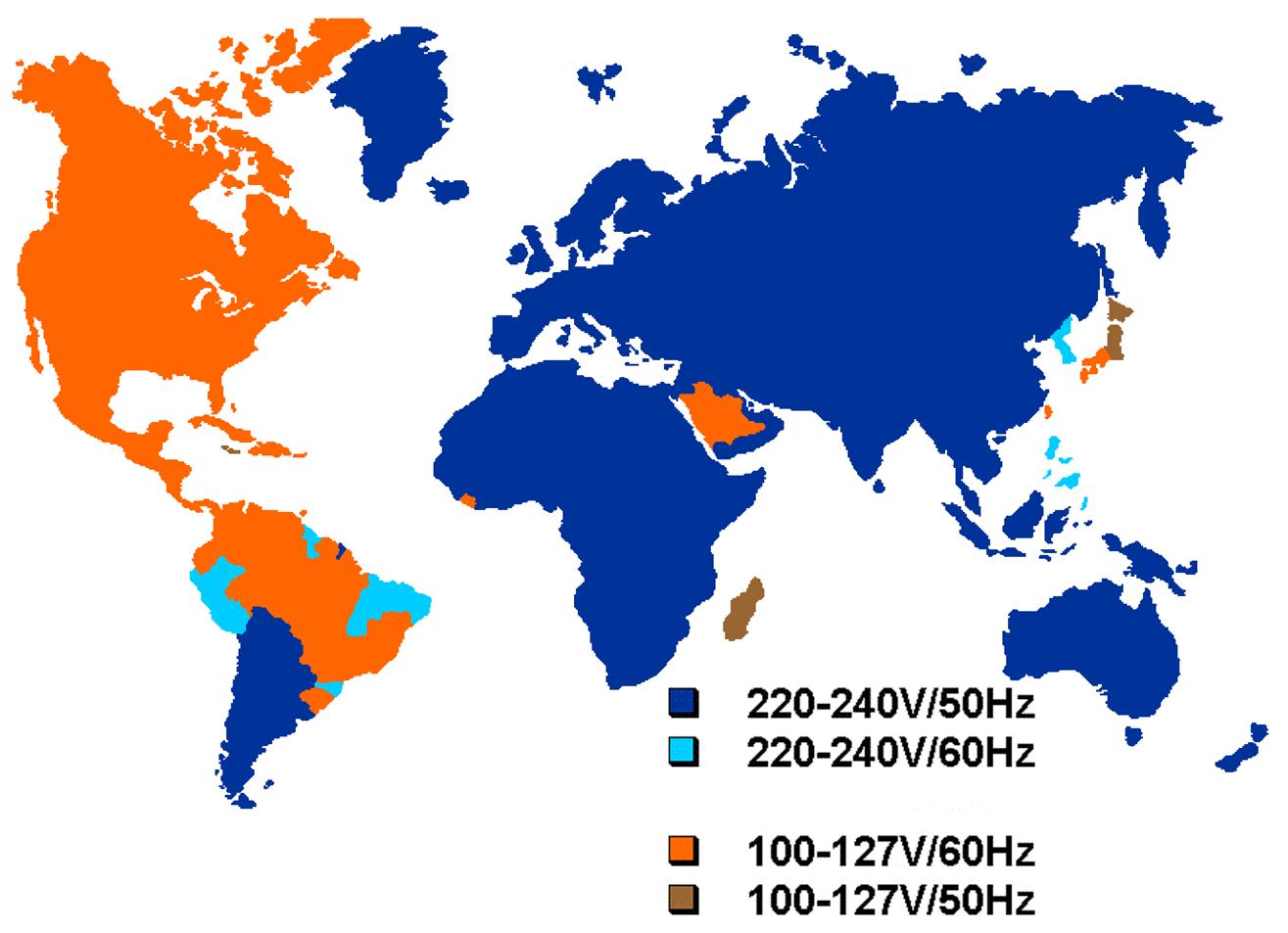
Itu tegangan stopkontak standar Sistem yang digunakan di rumah dan bangunan berbeda-beda di setiap negara. Memahami perbedaan ini penting bagi pemilik rumah, insinyur, produsen, dan siapa pun yang menggunakan peralatan listrik secara internasional. Sistem yang paling umum adalah... 110–120 volt Dan 220–240 voltMasing-masing dikembangkan berdasarkan faktor historis dan teknis.
Penjelasan Tegangan Stop Kontak Rumah Standar
Itu tegangan stopkontak rumah standar mengacu pada tegangan nominal yang disuplai ke stopkontak dinding rumah. Di banyak negara, termasuk Tiongkok, sebagian besar Eropa, dan sebagian besar Asia, tegangan stopkontak rumah standar adalah Tegangan 220V hingga 240V pada frekuensi 50HzTegangan yang lebih tinggi ini memungkinkan peralatan listrik beroperasi secara efisien dengan arus yang lebih rendah.
Sebaliknya, beberapa negara menggunakan tegangan listrik rumah tangga yang lebih rendah, terutama Amerika Serikat dan Kanada, di mana tegangan standar stopkontak rumah sekitar Tegangan 120V pada frekuensi 60HzMeskipun terdapat perbedaan, kedua sistem tersebut dianggap aman jika dipasang sesuai dengan standar kelistrikan modern.
Tabel di bawah ini menunjukkan tegangan stopkontak standarInformasi ini mencakup frekuensi dan jenis colokan yang digunakan di beberapa negara dan wilayah terpopuler di dunia. Informasi ini berguna untuk memahami standar daya internasional dan memastikan kompatibilitas peralatan listrik.
| Negara/Wilayah | Tegangan Stop Kontak Rumah Standar | Frekuensi | Jenis Steker Umum |
|---|---|---|---|
| Amerika Serikat | 120V | 60Hz | Tipe A / B |
| Kanada | 120V | 60Hz | Tipe A / B |
| Cina | 220V | 50Hz | Tipe A / C / I |
| Britania Raya | 230V | 50Hz | Tipe G |
| Jerman | 230V | 50Hz | Tipe C / F |
| Perancis | 230V | 50Hz | Tipe C / E |
| Australia | 230V | 50Hz | Tipe I |
| Jepang | 100V | 50Hz / 60Hz | Tipe A |
| India | 230V | 50Hz | Tipe C / D / M |
| Singapura | 230V | 50Hz | Tipe G |
| Uni Emirat Arab | 230V | 50Hz | Tipe G |
| Brazil | 127V / 220V | 60Hz | Tipe C / N |
Standar Tegangan Amerika
Itu Standar tegangan Amerika didasarkan pada penawaran nominal sebesar 120 volt untuk sebagian besar stopkontak rumah tangga, dengan frekuensi 60HzStandar ini berasal dari desain sistem kelistrikan awal dan masih digunakan hingga saat ini.
Di Amerika Serikat, peralatan rumah tangga berdaya tinggi seperti oven listrik, pengering, dan sistem HVAC sering menggunakan Daya listrik 240V fase terpisahyang berasal dari dua jalur 120V. Pendekatan ini memungkinkan perangkat standar dan perangkat berdaya tinggi untuk beroperasi secara efisien dalam infrastruktur listrik yang sama.
Mengapa Standar Tegangan Stop Kontak Berbeda?
Perbedaan dalam tegangan stopkontak standar Sebagian besar merupakan hasil dari keputusan historis yang dibuat selama awal elektrifikasi. Setelah jaringan listrik, kabel, dan peralatan terpasang, mengubah standar tegangan menjadi tidak praktis karena masalah biaya dan keselamatan.
Saat ini, sebagian besar negara mempertahankan sistem tegangan asli mereka, sementara peralatan listrik modern semakin dirancang untuk mendukung rentang input tegangan yang luas, seperti 100–240V, untuk memastikan kompatibilitas global.
Dampak pada Peralatan Listrik
Perbedaan tegangan memengaruhi cara perangkat listrik dirancang dan digunakan. Peralatan yang tidak sesuai dengan tegangan lokal. tegangan stopkontak rumah standar Mungkin memerlukan konverter tegangan atau transformator. Peralatan industri, sistem UPS, dan catu daya sering tersedia dalam versi tegangan khusus wilayah untuk menyesuaikan dengan standar jaringan listrik setempat.
Kesimpulan
Itu tegangan stopkontak standar Dan tegangan stopkontak rumah standar berbeda di berbagai negara karena alasan historis dan teknis. Standar tegangan Amerika menggunakan tegangan 120V pada frekuensi 60Hz, sementara banyak wilayah lain menggunakan tegangan 220–240V pada frekuensi 50Hz. Memahami standar ini membantu memastikan pengoperasian peralatan listrik yang aman dan efisien di seluruh dunia.
 ID
ID  EN
EN  ES
ES  ZH
ZH  VI
VI  MS
MS  PT
PT  UK
UK